

Coconut shell charcoal briquettes, In recent years the world has been seeking cleaner, more sustainable sources of energy. Among the many alternatives, the coconut shell charcoal briquette has emerged as an eco-friendly and efficient option.
Derived from agricultural waste, particularly coconut shells, these briquettes offer a renewable and carbon-neutral fuel source. They are gaining popularity not only in tropical countries with abundant coconut production but also in international markets where clean energy solutions are in high demand.
Why Briquettes Can Be Used as an Alternative Energy Source
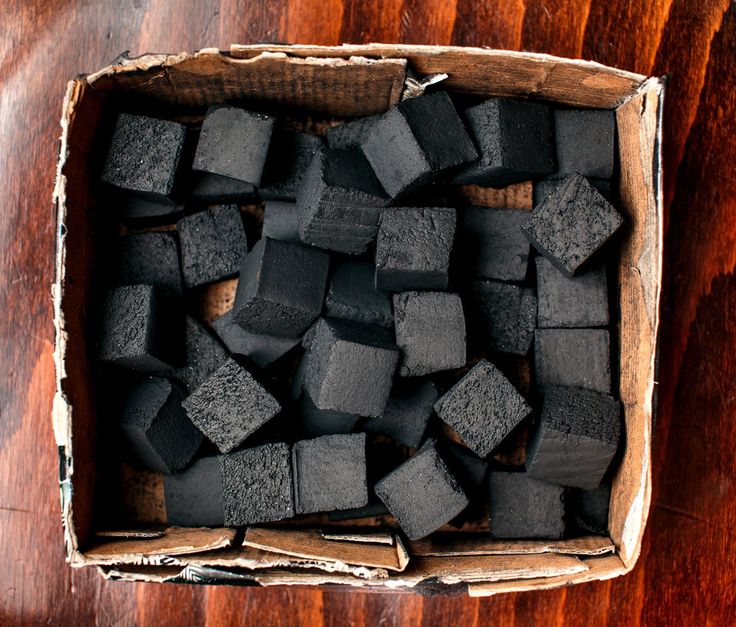
Briquettes are compact blocks of biomass or other combustible material, compressed to create an efficient and portable fuel. The primary reason coconut shell charcoal briquettes can serve as an alternative energy source is their renewability. Coconut trees produce fruit throughout the year, and their shells are often discarded as waste after processing the flesh and water. Instead of letting these shells rot or burn in open air—releasing harmful gases—they can be converted into a valuable energy product.
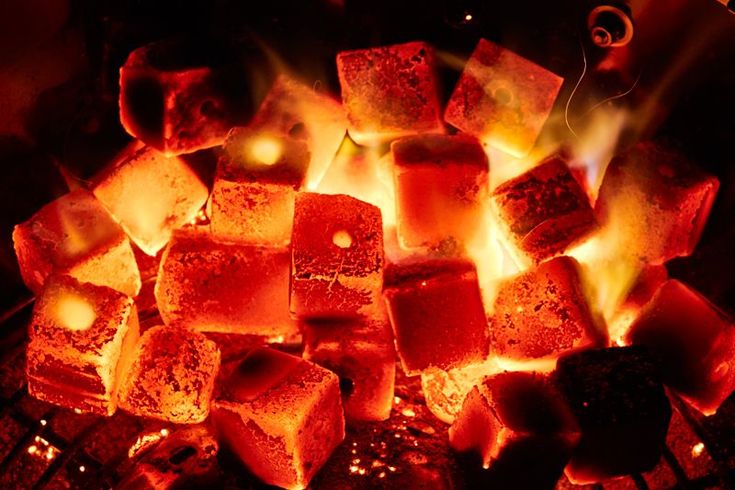
Another factor is energy density. Coconut shell charcoal has a high calorific value, meaning it produces more heat per unit weight than many other biomass fuels. This makes it suitable for cooking, heating, and even certain industrial applications. Additionally, because these briquettes are smokeless when burned correctly, they are healthier for indoor use compared to traditional firewood.
Environmental Advantages of Coconut Shell Briquettes
From an environmental perspective, coconut shell briquettes provide several key benefits:
-
Reduced Deforestation – Using coconut shells as a fuel source reduces the demand for firewood, helping preserve forests and their biodiversity.
-
Lower Carbon Emissions – Compared to coal or wood, coconut shell briquettes release fewer greenhouse gases when burned, contributing to the fight against climate change.
-
Waste Utilization – They transform agricultural byproducts into something valuable, reducing landfill waste and promoting circular economy practices.
-
Cleaner Combustion – These briquettes produce minimal smoke and ash, improving air quality and reducing indoor air pollution.
Because they are made from an otherwise discarded material, coconut shell briquettes represent an energy option that is not only sustainable but also economically beneficial for coconut-producing communities.
The Briquette Manufacturing Process
The process of making coconut shell charcoal briquettes involves several steps:
-
Collection of Coconut Shells – The raw material is gathered from coconut processing facilities or directly from coconut farms.
-
Carbonization – The shells are burned in a low-oxygen environment, usually in a kiln or drum, to turn them into charcoal without turning them into ash.
- Grinding – The charcoal is ground into a smooth, fine powder to achieve a consistent texture.
-
Mixing with Binder – Natural binders like tapioca starch are added to the charcoal powder. This helps the particles stick together during compression.
-
Molding and Pressing – The mixture is shaped into uniform blocks or pillow shapes using a briquetting machine.
The Growing Market and Future Potential
The demand for coconut shell briquettes is rising globally, especially in regions like Europe, the Middle East, and East Asia, where they are used for barbecues, shisha, and heating. The product’s long burn time, minimal smoke, and pleasant natural aroma make it a preferred choice for both household and commercial use.
Conclusion
Coconut shell charcoal briquettes represent a smart solution to two pressing global challenges: the need for cleaner energy and the management of agricultural waste. By converting discarded coconut shells into a high-value, eco-friendly fuel, this innovation helps reduce environmental impact while offering reliable, efficient energy. As awareness and demand continue to grow, coconut shell briquettes could play a significant role in shaping a more sustainable energy future.